Ad Valorem Tax – Percentage Tax on SupplySL
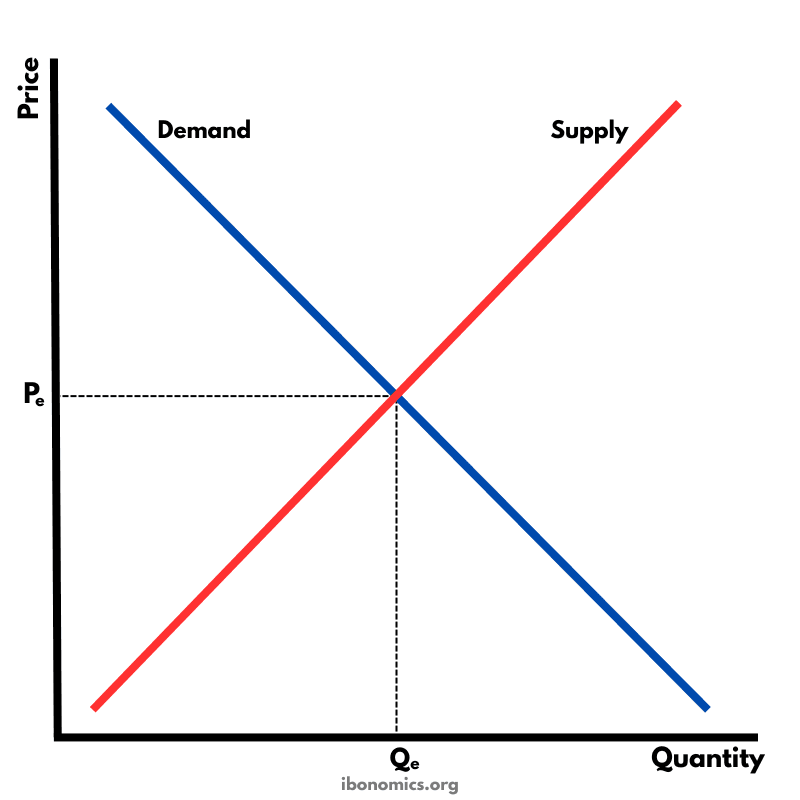
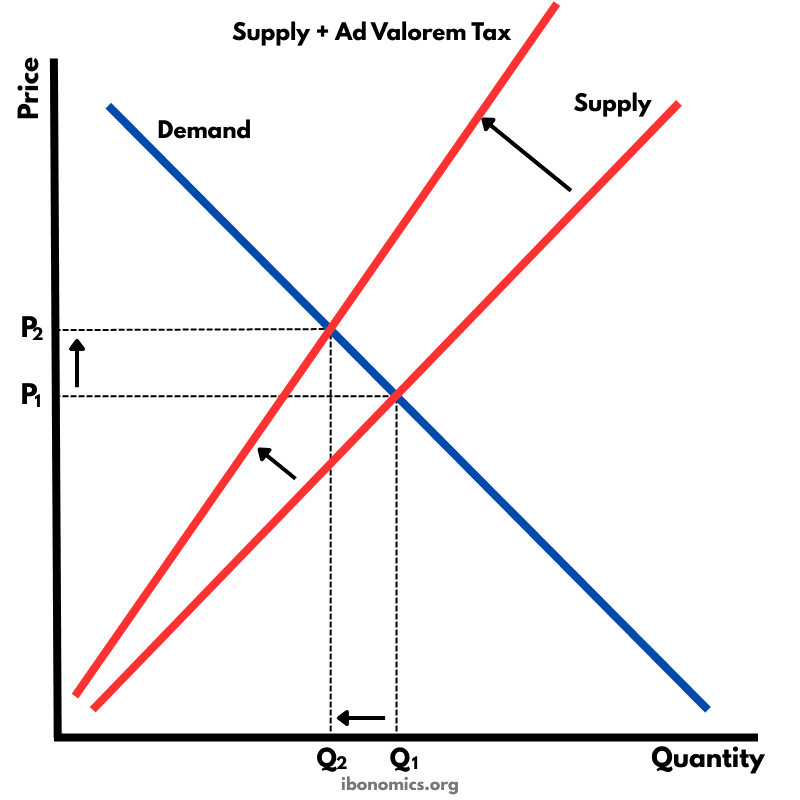
MicroeconomicsThis diagram illustrates the effect of an ad valorem (percentage) tax on producers. Unlike a specific tax which shifts the supply curve upward in a parallel way, an ad valorem tax causes the supply curve to pivot and become steeper. As price rises, the tax amount increases proportionally, leading to a higher final price for consumers and a lower equilibrium quantity.
Curves and elements
- demand
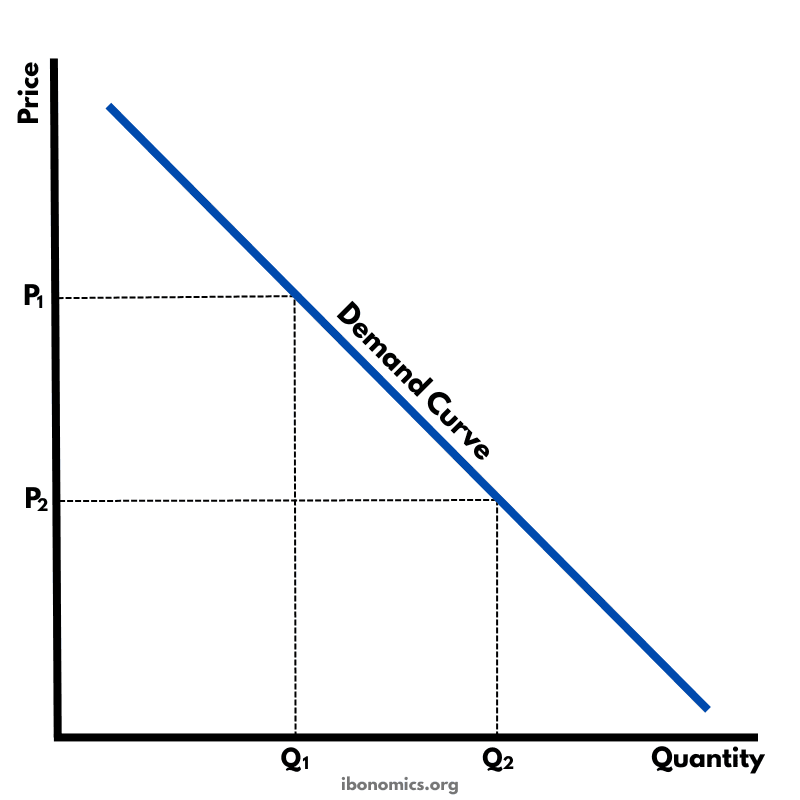
- Demand: Downward-sloping curve showing consumer willingness to buy at different prices.
- original supply
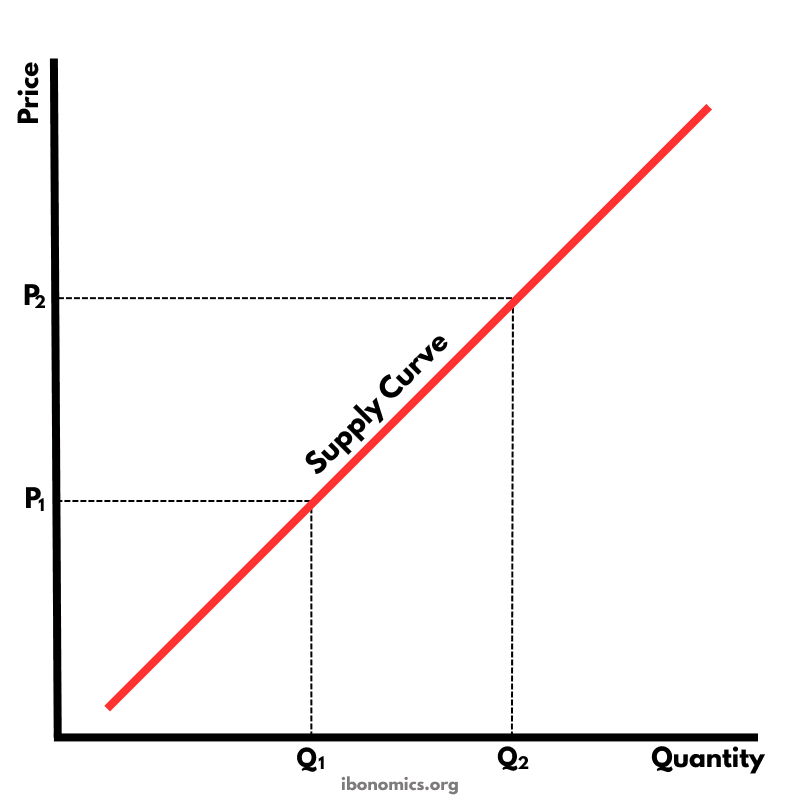
- Original Supply: Producer costs before the tax.
- taxed supply
- Supply + Ad Valorem Tax: Rotated, steeper supply curve representing percentage-based tax.
- p1
- P1: Original equilibrium price before the tax.
- p2
- P2: Higher price paid by consumers after the tax.
- q1
- Q1: Original equilibrium quantity before the tax.
- q2
- Q2: Reduced equilibrium quantity due to the tax.
Key explanations
- 1
The original supply curve is shown on the right. Producers set price P1 at the initial equilibrium.
- 2
An ad valorem tax raises production costs by a percentage at every price level, causing the supply curve to rotate upward and become steeper.
- 3
The new equilibrium price increases from P1 to P2, meaning consumers pay more after the tax is imposed.
- 4
The equilibrium quantity falls to Q1, showing reduced output and consumption due to higher prices.
- 5
Because the tax is percentage-based, the gap between the old and new supply curves widens as the price increases.
Example exam question
Using the ad valorem tax diagram, explain why the supply curve becomes steeper when a percentage tax is imposed.
Show example answer
An ad valorem tax increases costs by a percentage of the selling price. As price rises, the tax becomes larger, so the supply curve rotates upward and becomes steeper rather than shifting in a parallel way. This raises the final market price from P1 to P2 and reduces equilibrium quantity to Q1.