Automatic Stabilizers (HL only)
Demand Management (Fiscal Policy)
Syllabus requirement
Includes progressive taxes and unemployment benefits that stabilize the economy without active policy changes.
Summary
Automatic stabilizers are built-in fiscal mechanisms that reduce short-term swings in economic activity without new government intervention. The two main stabilizers are progressive taxes, which withdraw more income during booms, and unemployment benefits, which inject spending during recessions; both help stabilise real national output and moderate the business cycle. Their effectiveness depends on the size of the public sector, how progressive the tax system is, and the scope of welfare provision. Understanding automatic stabilizers is important for evaluating how fiscal policy can support aggregate demand and employment during downturns without discretionary measures.
Real-world examples for this unit

U.S. COVID-19 Fiscal Relief Response

Japan's 2025 Economic Package: Expansionary Fiscal Policy

Romania's 2025–26 Fiscal Consolidation: Contractionary Fiscal Policy
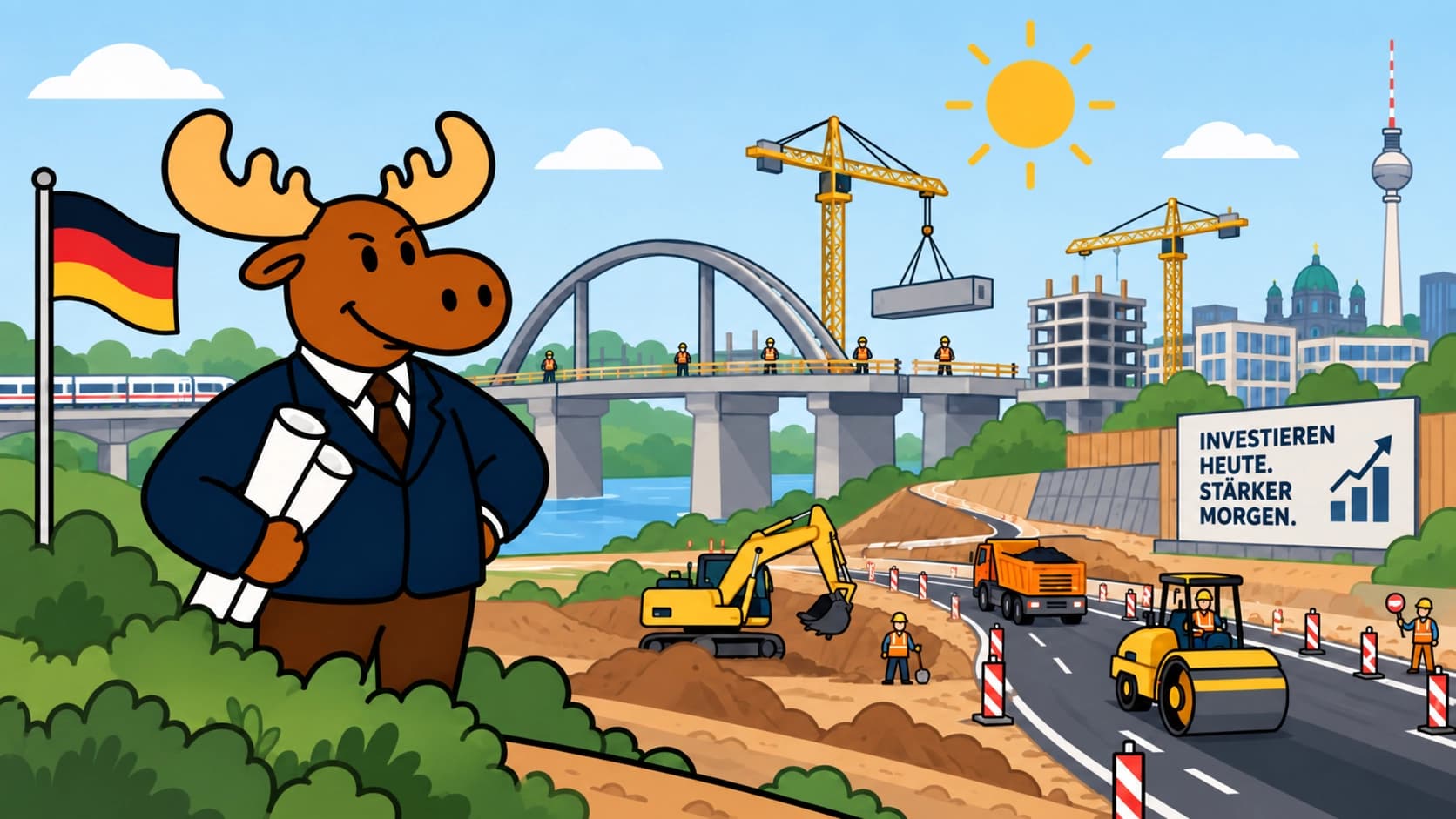
Germany's €500bn Infrastructure Fund: Fiscal Policy and Long-Run Growth