Forms of Government Intervention
Role of Government in Microeconomics
AO2·AO4·Diagram required
Syllabus requirement
Includes price controls, indirect taxes, subsidies, direct provision of services, command-and-control legislation, and nudges (HL only).
Assessment objectives
AO2 Application and AnalysisAO4 Use of Appropriate Skills
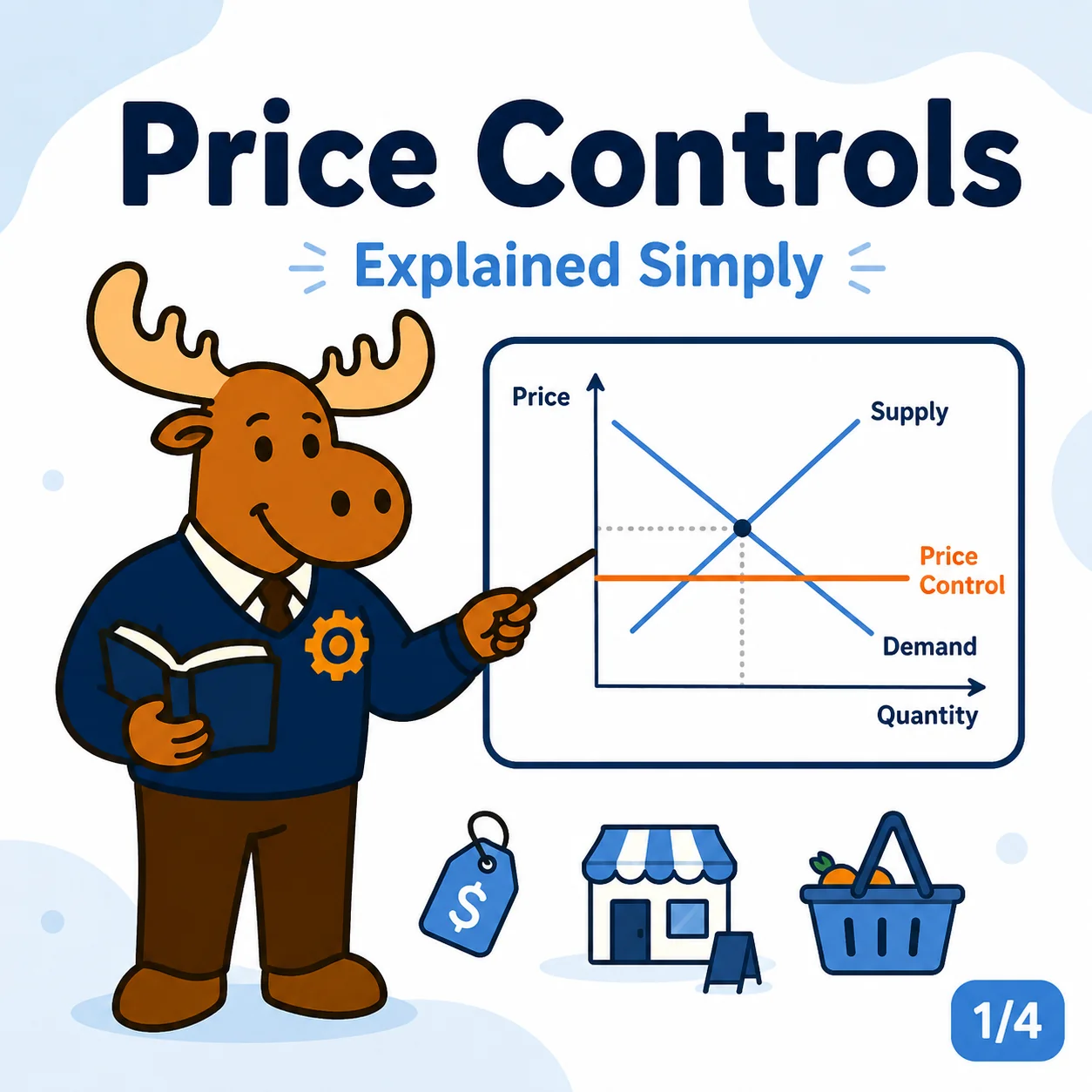
Required diagram: Diagrams showing the imposition of a price ceiling (maximum price) and price floor (minimum price), the effects of an indirect tax (shifting supply), and a subsidy (shifting supply). All diagrams should include stakeholder outcomes such as surpluses and shortages.
Summary
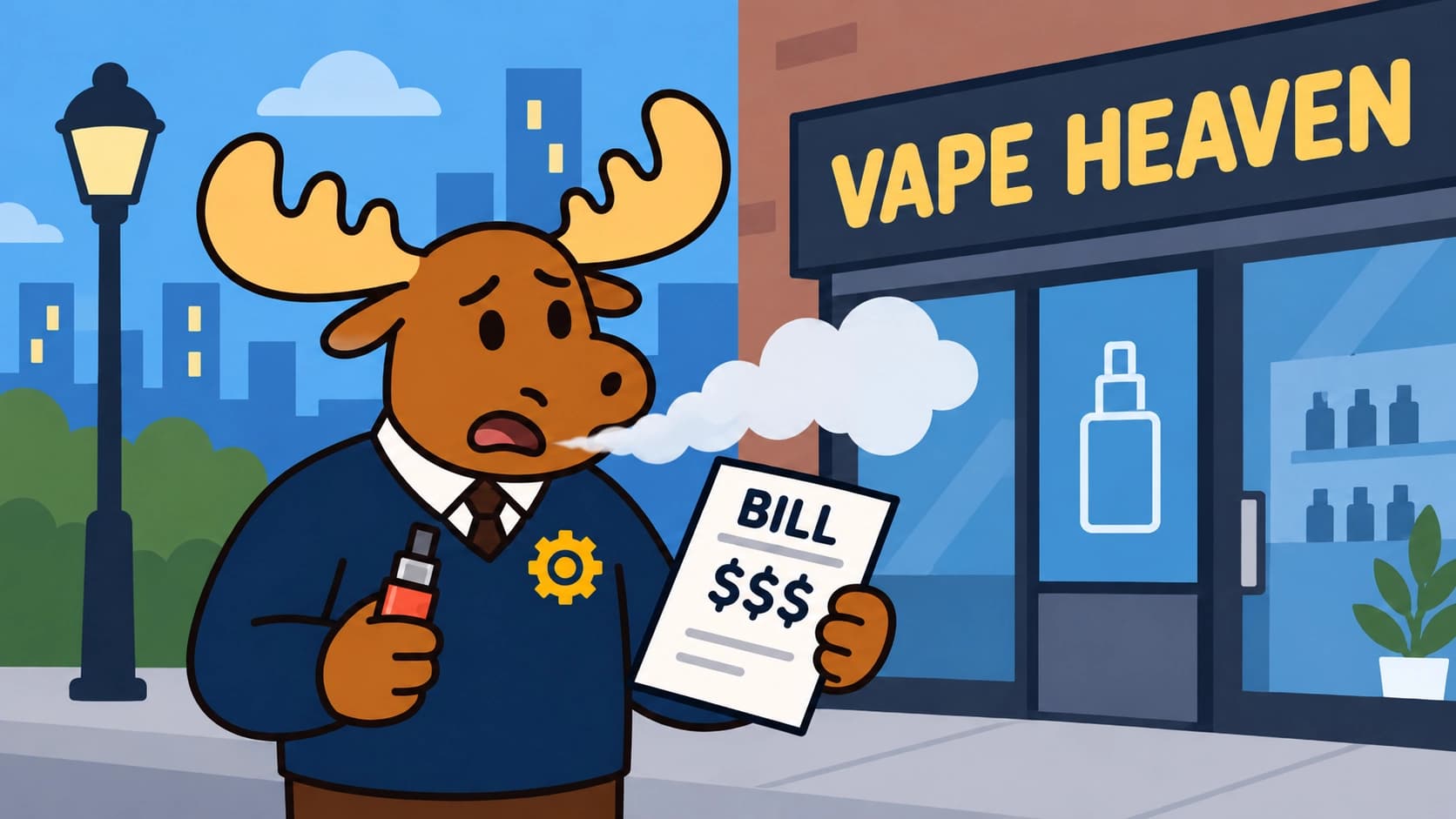
This topic explains the main ways governments intervene in markets when the price mechanism fails to meet social or economic goals. It covers price controls (maximum and minimum prices), indirect taxes and subsidies (which shift supply and change prices and quantities), direct public provision, command-and-control regulation, and behavioural nudges. The section shows how each intervention affects prices, quantities, incentives and the distribution of gains and losses between consumers, producers and the government.