IBonomics
Carbon Emissions Trading – Market for Pollution PermitsSL
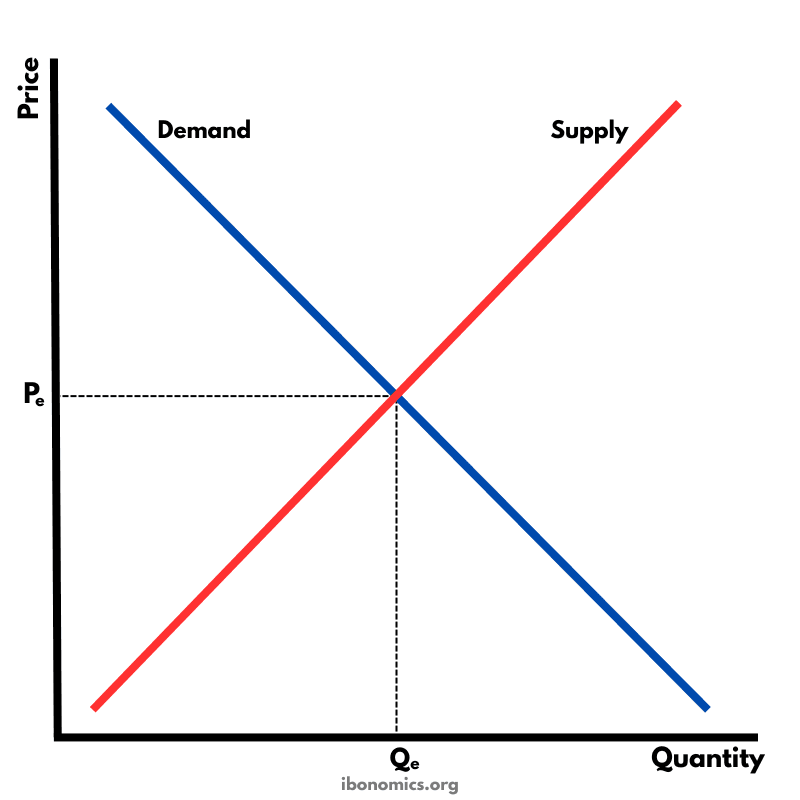
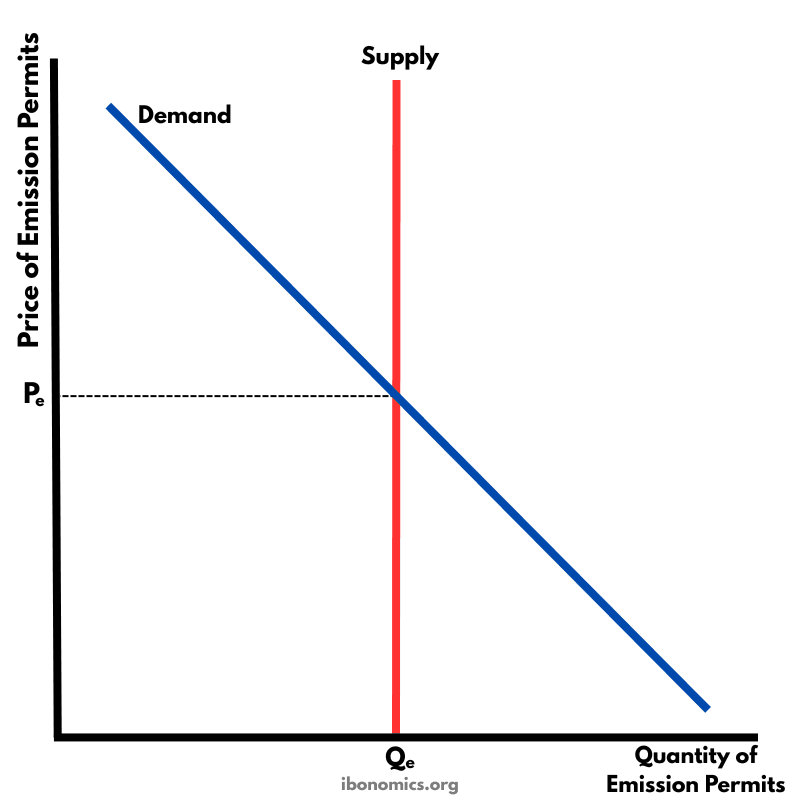
MicroeconomicsThis diagram illustrates a carbon emissions trading system (cap and trade). The government sets a fixed number of emission permits that firms can buy and sell in a market. The vertical supply curve represents the total quantity of permits allowed by the government (the cap). Firms demand permits because they need them in order to produce while emitting carbon. The intersection of demand and supply determines the equilibrium price of emission permits (Pe) and the quantity of permits traded (Qe). This market mechanism creates a financial incentive for firms to reduce pollution because firms that can reduce emissions cheaply will buy fewer permits or sell their excess permits to other firms.
Curves and elements
- permit supply
- Supply of Emission Permits: A vertical supply curve showing the fixed number of permits determined by the government cap.
- permit demand
- Demand for Emission Permits: A downward sloping curve representing firms' willingness to buy permits depending on the permit price.
- pe
- Equilibrium Permit Price (Pe): The market price of emission permits determined by the interaction of supply and demand.
- qe
- Equilibrium Quantity of Permits (Qe): The total number of emission permits traded in the market, equal to the government determined cap.
Key explanations
- 1
The government first sets a cap on the total amount of emissions allowed in the economy. This cap determines the total number of emission permits available, which is shown by the vertical supply curve.
- 2
Because the number of permits is fixed by the government, the supply curve is perfectly inelastic (vertical). This means the quantity of permits cannot increase even if the price rises.
- 3
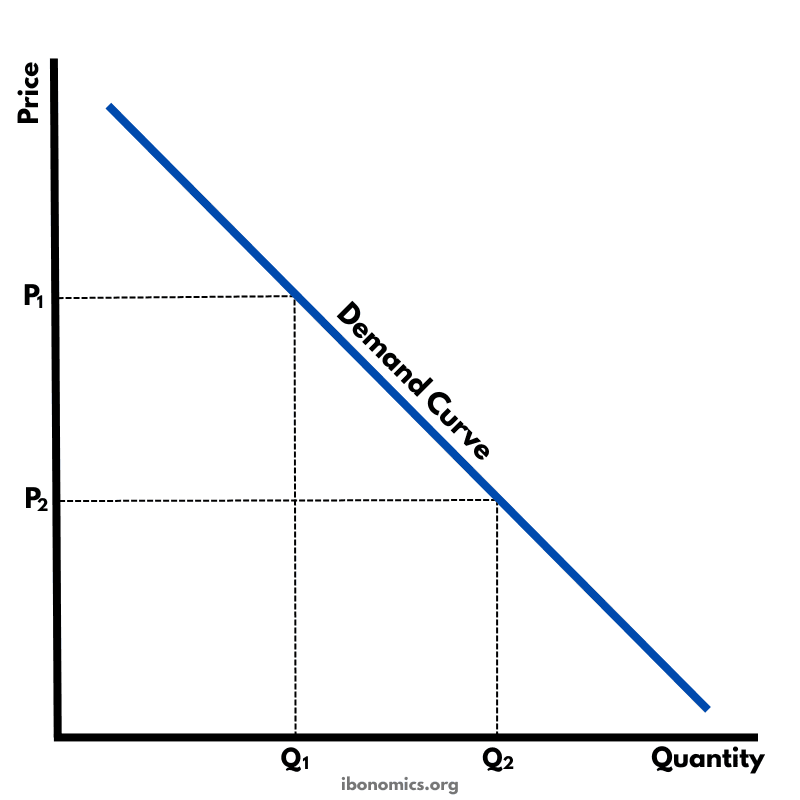
Firms demand emission permits because they must hold permits equal to the amount of pollution they produce. The demand curve slopes downward because firms are willing to buy fewer permits at higher prices.
- 4
The equilibrium price of permits (Pe) is determined where the demand for permits intersects the fixed supply of permits. At this point the quantity of permits traded equals Qe.
- 5
Firms that can reduce emissions at a low cost will choose to cut their pollution and sell their unused permits to other firms. Firms with higher pollution reduction costs may prefer to buy permits instead.
- 6
This system reduces pollution in a cost efficient way because emissions are reduced by the firms that can do so most cheaply, while still ensuring that total emissions do not exceed the government imposed cap.
Example exam question
Using the carbon emissions trading diagram, explain how a cap and trade system can reduce pollution efficiently.
Show example answer
In a cap and trade system, the government sets a maximum level of emissions and issues a fixed number of permits. In the diagram, the supply of permits is vertical because the quantity is determined by the government. Firms demand permits because they need them to produce while emitting carbon. The equilibrium price Pe is determined where demand intersects supply. Firms that can reduce emissions cheaply will reduce pollution and sell permits, while firms with higher abatement costs will buy permits. This allows pollution to be reduced by the firms with the lowest costs, making the policy more efficient than uniform regulation.