Market-Based Supply-Side Policy
U.S. Deregulation of Transportation and Telecommunications
U.S. reforms opened airlines, trucking and telecommunications to more competition, lowering many prices while creating new trade-offs.
Welcome to IBonomics! We are excited to launch and hope you find the website useful! Learn more about us here!
8 IB Economics case studies in macroeconomics, each with the syllabus topics it covers, evaluation points for both sides, and the key terms to define.

Market-Based Supply-Side Policy
U.S. reforms opened airlines, trucking and telecommunications to more competition, lowering many prices while creating new trade-offs.

Expansionary Fiscal Policy
The U.S. used large fiscal relief packages during COVID-19 to support incomes, employment and aggregate demand during a severe downturn.

Contractionary Monetary Policy
The BOJ raised interest rates twice in 2025 as wages and inflation strengthened, reducing monetary stimulus after years of very low rates.

Expansionary Monetary Policy
The ECB cut interest rates four times in early 2025 as inflation neared 2%, making monetary policy less restrictive and supporting demand.

Interventionist Supply-Side Policy
The UK committed at least £725 billion to infrastructure over a decade, aiming to improve productivity, public services and long-run growth.

Expansionary Fiscal Policy
Japan launched a large fiscal package using spending and tax relief to support households, demand and long-term investment.

Contractionary Fiscal Policy
Romania raised taxes and froze public wages and pensions to reduce its large budget deficit, weakening aggregate demand in the process.

Expansionary Fiscal Policy
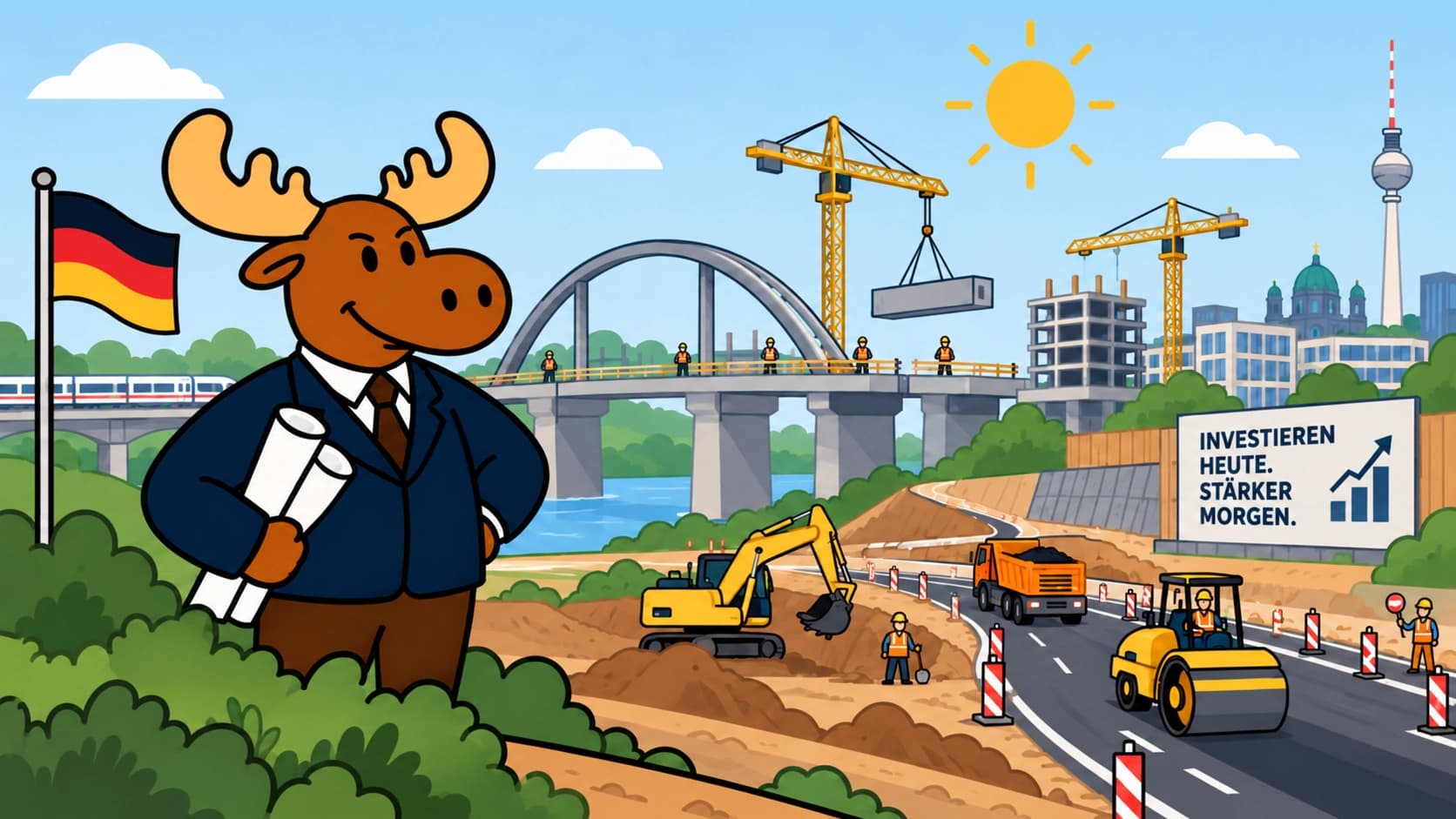
Germany created a €500bn infrastructure fund to raise public investment, supporting aggregate demand now and productive capacity over time.