Arguments against Trade Protection
Arguments for and against trade control/protection
Syllabus requirement
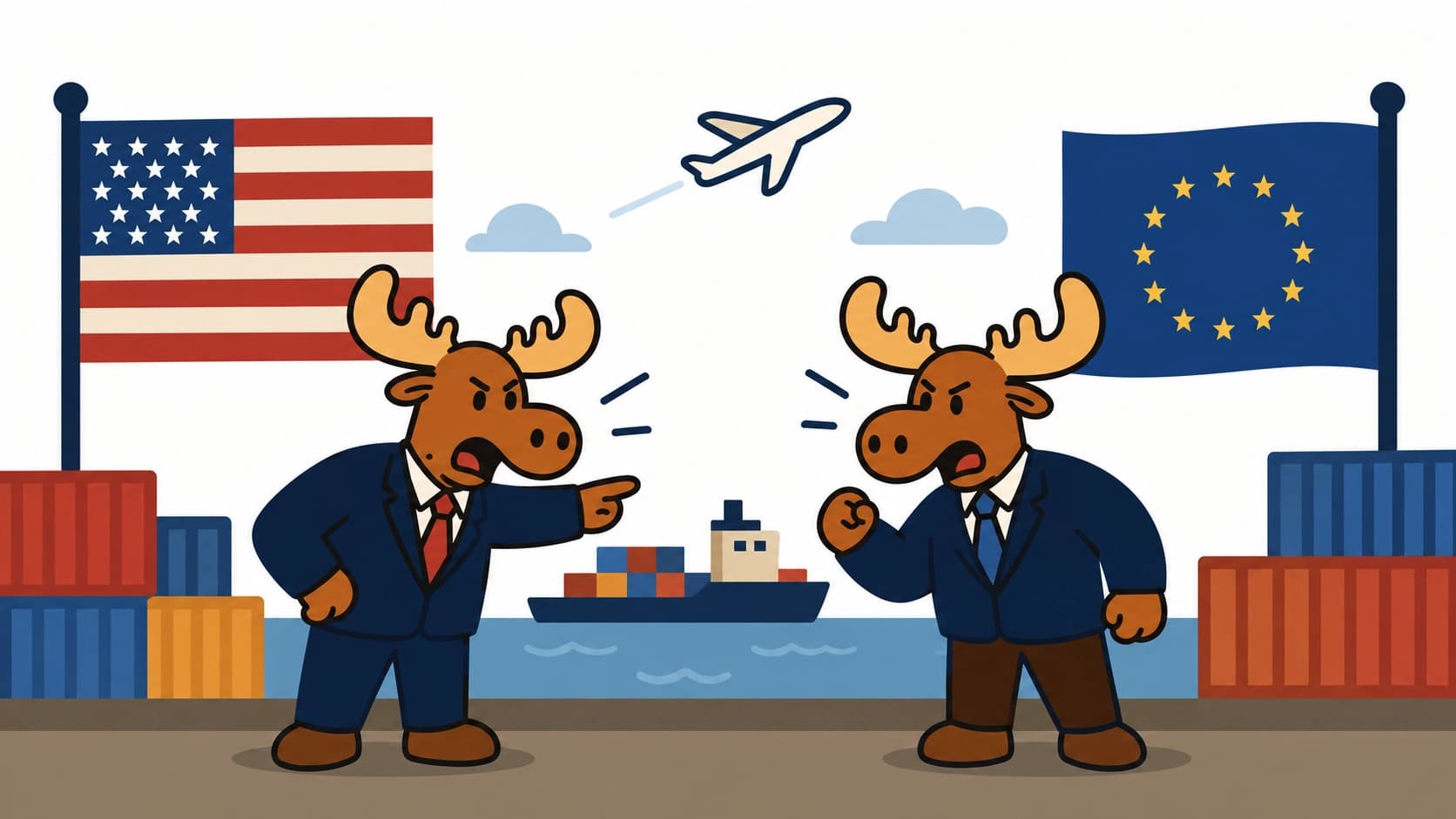
Trade protection can result in inefficiencies, reduced consumer welfare, and international tensions. Potential consequences include misallocation of resources, higher production and consumption costs, increased consumer prices, reduced choice for consumers, less incentive for domestic firms to innovate or improve efficiency, loss of export competitiveness, and the risk of retaliation and trade wars.
Summary
This topic lists and explains the main disadvantages of trade protection, including misallocation of resources, retaliation, increased costs, higher prices, less consumer choice, reduced incentives for efficiency, and lower export competitiveness. It shows how tariffs, quotas and subsidies can reduce social surplus, raise production costs and harm consumers and exporters, making trade protection a potentially costly policy for an economy.