Government Responses to Externalities
Market Failure: Externalities and Common Pool Resources
Syllabus requirement
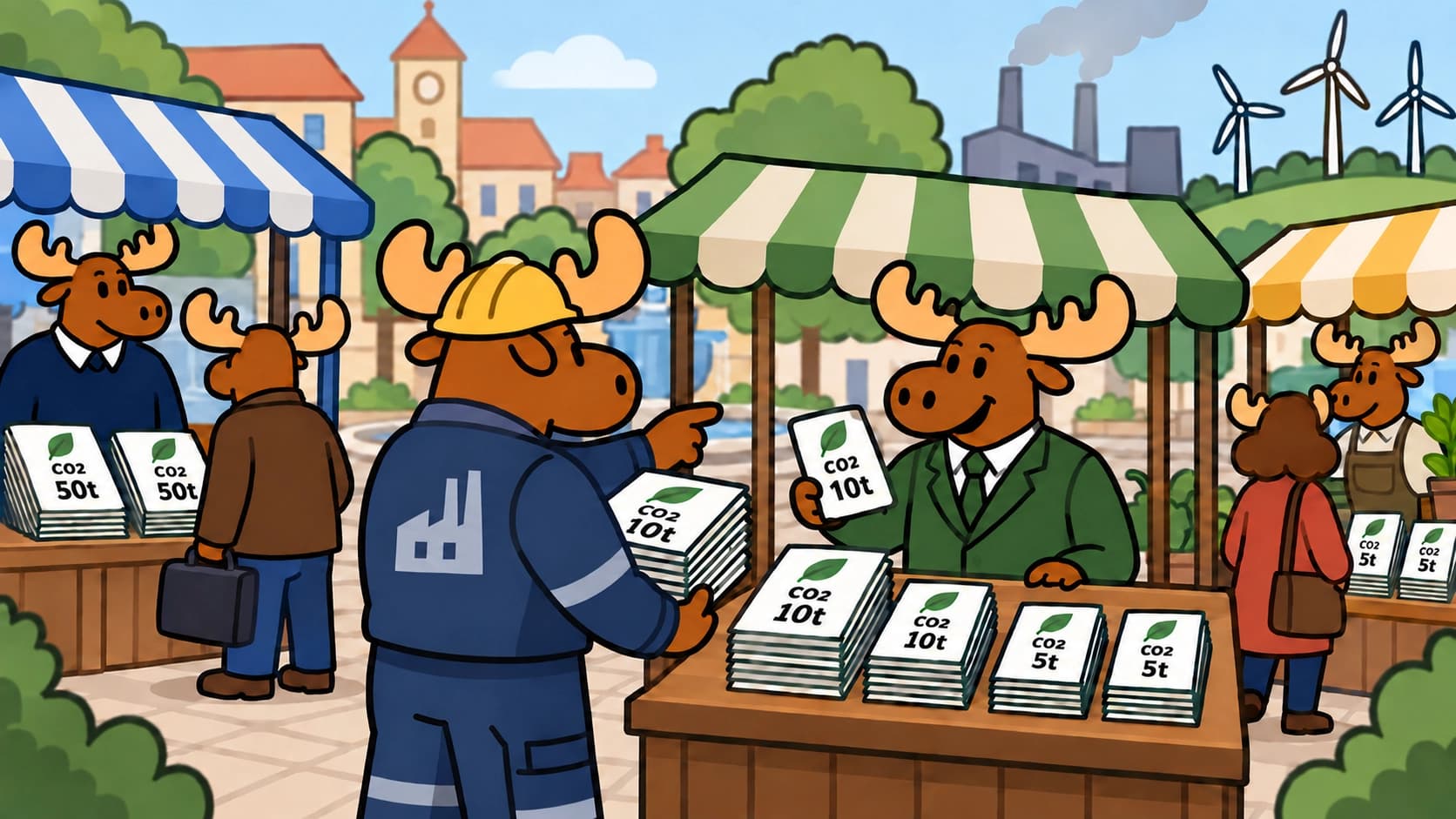
Includes Pigouvian taxes, carbon taxes, legislation, subsidies, public provision, tradable permits, education, and international agreements.
Summary
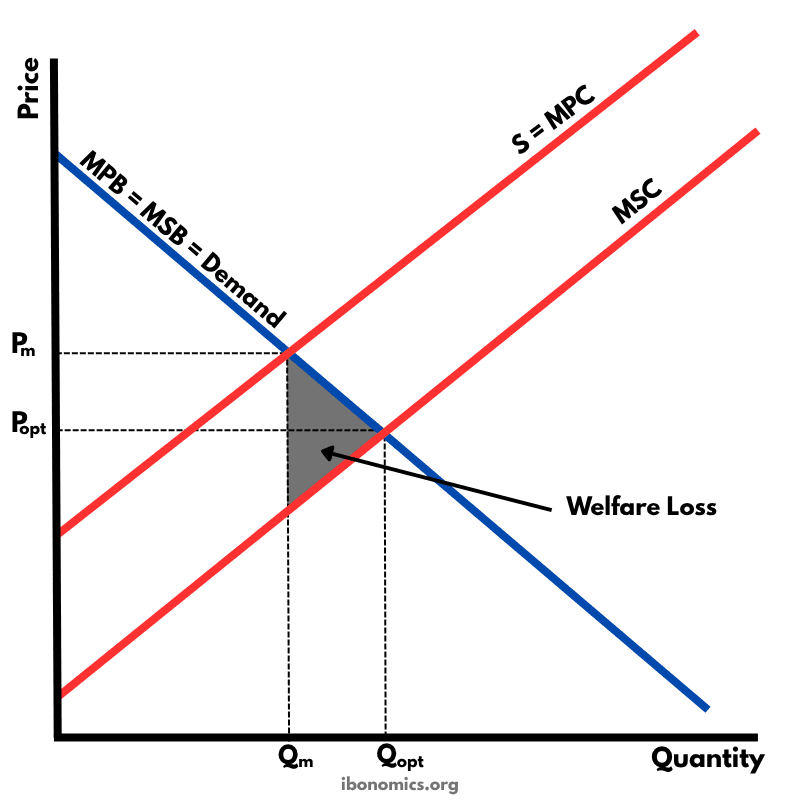
This section explains how governments respond to externalities using policy tools such as indirect (Pigouvian) taxes, carbon taxes, legislation and regulation, education (awareness creation), and tradable permits. It shows how these interventions aim to internalize external costs or boost external benefits, shifting market outcomes toward the socially optimal quantity and reducing welfare loss. The text also outlines advantages and drawbacks of each tool, and provides diagram-based analysis of price, quantity, and welfare effects. Real examples illustrate effectiveness, revenue implications, and distributional issues like regressivity.