IBonomics
Price Floor – The Government Buys the Surplus
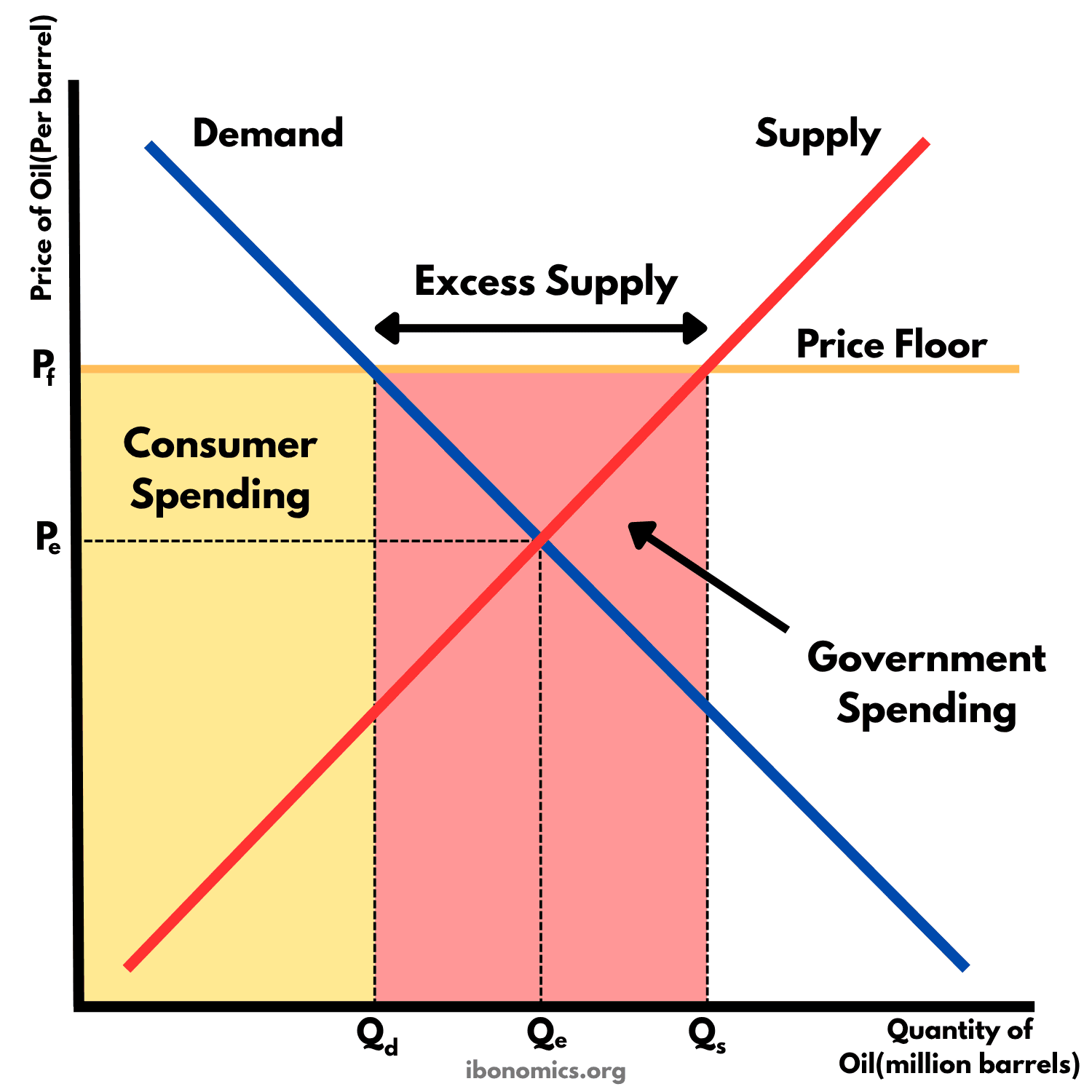
This diagram shows a price floor set above the equilibrium price in the market for oil, with the government buying the surplus. Consumers pay Pf for the quantity they buy, and the government pays Pf for the excess supply, so producers sell their whole output at the floor price.
Curves and elements
- Demand
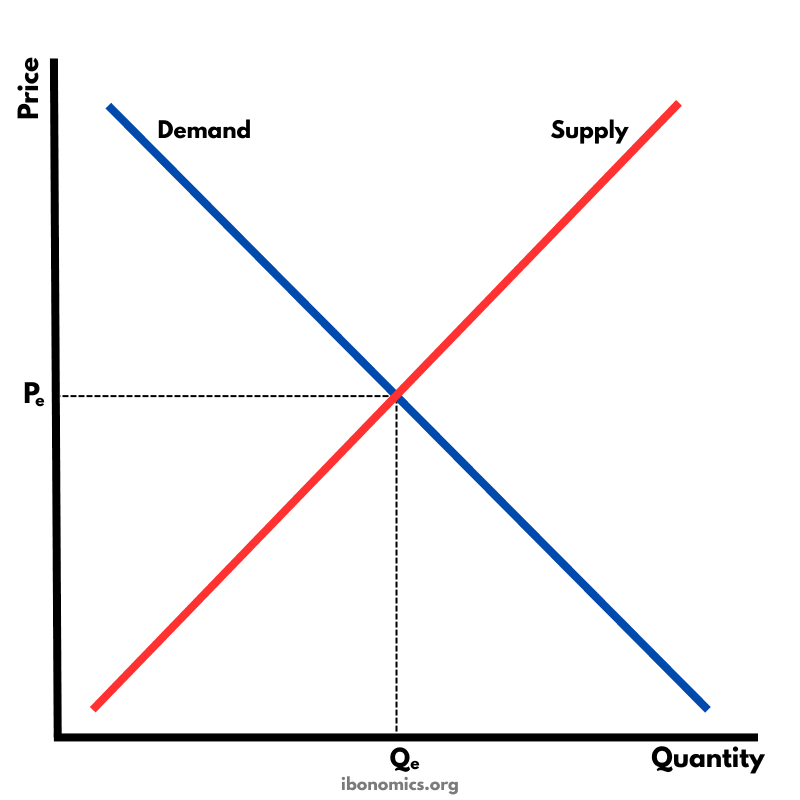
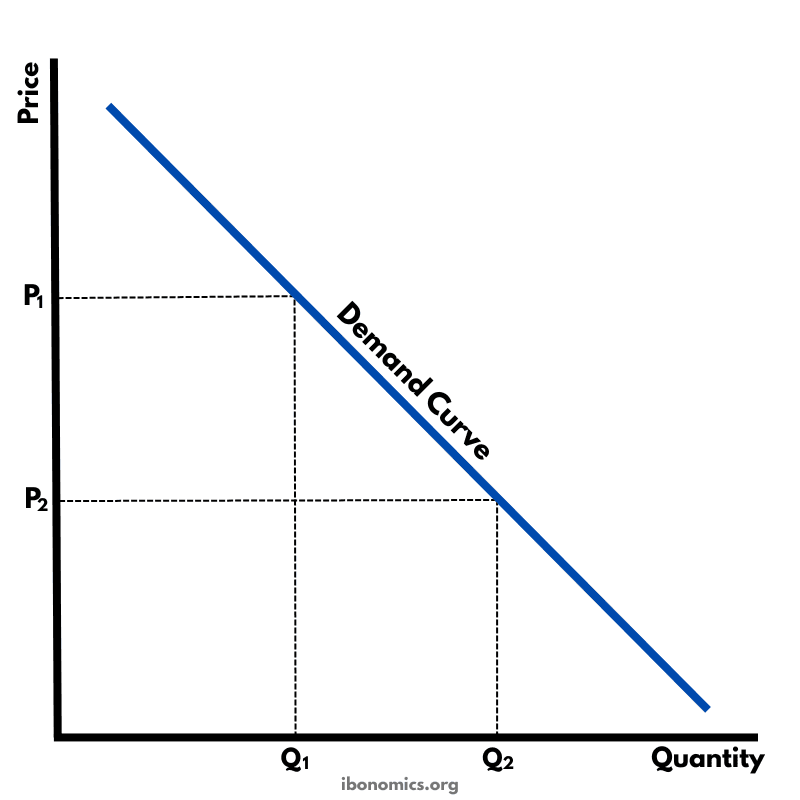
- The demand for oil. As the price rises, the quantity demanded falls.
- Supply
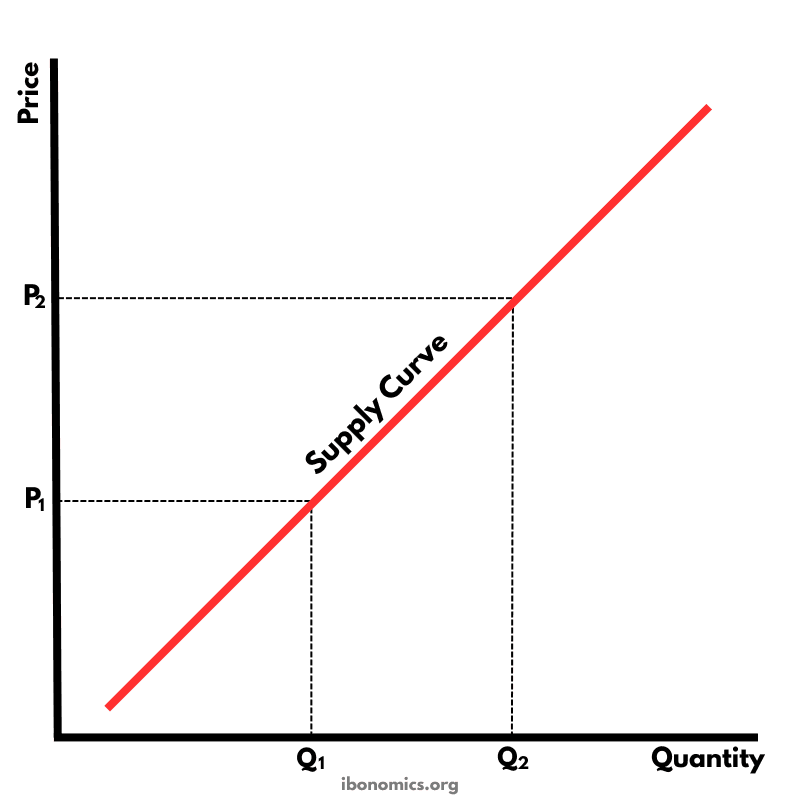
- The supply of oil. As the price rises, the quantity supplied rises.
- Price Floor
- The minimum legal price, Pf, set above the equilibrium price Pe. The price cannot fall below it.
- Excess Supply
- The gap between Qs and Qd at Pf, the oil that producers want to sell but consumers do not buy. The government buys it.
- Consumer Spending
- The rectangle Pf × Qd, what consumers pay for the oil they buy at the floor price.
- Government Spending
- The rectangle Pf × (Qs − Qd), what the government pays to buy the surplus.
Key explanations
- 1
The government sets a price floor at Pf, above the equilibrium price Pe, to protect producers' incomes. Without it, the market would clear at Pe and Qe.
- 2
At Pf, the quantity supplied rises to Qs and the quantity demanded falls to Qd. The difference, Qs − Qd, is the excess supply.
- 3
To keep the price at Pf, the government buys the excess supply. Otherwise producers with unsold oil would cut their prices and the price would fall back towards Pe.
- 4
Consumers buy Qd at Pf, so consumer spending is Pf × Qd, the rectangle up to Qd.
- 5
The government buys the rest at Pf, so government spending is Pf × (Qs − Qd), the rectangle from Qd to Qs. Producers sell all of Qs at Pf, so their total revenue is the two rectangles together, Pf × Qs.
- 6
Producers gain, but consumers pay a higher price for less, and the government's spending has an opportunity cost. It must also store the surplus, for example in a reserve, or sell it later, which adds further costs. The guaranteed price can keep inefficient producers in business and encourage overproduction.
Example exam question
Using a diagram, explain the effects on consumers, producers and the government of a price floor where the government buys the surplus.
Show example answer
In the diagram, the government sets a price floor at Pf, above the equilibrium price Pe. At Pf the quantity supplied rises to Qs and the quantity demanded falls to Qd, creating excess supply of Qs − Qd. To stop the price falling back to Pe, the government buys the surplus. Consumers are worse off, because they pay the higher price Pf and buy only Qd, so their spending is Pf × Qd. Producers gain, because they sell the whole of Qs at Pf and earn Pf × Qs. The government spends Pf × (Qs − Qd) on the surplus, which has an opportunity cost, and it must also pay to store or dispose of what it buys. The guaranteed price may also keep inefficient producers in business and encourage overproduction.