 IBonomics
AI Coding Tools and Competition in Football Software
AI coding tools may make software entry easier, while FootballHQ shows how differentiated coaching apps compete through features and price.

Key figures
New iOS app releases
About 2×
Monthly launches roughly doubled between early 2025 and April 2026 in the marketplace studied.
Software releases with AI tools
≈30% more
Estimated increase in releases among developers using successive generations of AI coding tools in the cited research.
FootballHQ drill creator
Free
Basic browser-based drill drawing and PDF export are available without an account.
At a glance
- Research published in 2026 found that monthly releases of new iOS apps roughly doubled between early 2025 and April 2026 as AI coding tools became more widespread.
- By reducing some development costs, AI can lower barriers to entry, encouraging more firms to enter and shifting market supply to the right.
- FootballHQ illustrates how a supplier can enter a specialist software market with a free, browser-based football drill creator.
- Football drill-creation software has features of monopolistic competition: differentiated products, relatively low entry barriers, some price-setting power and competition through quality and branding.
- More entry can put downward pressure on prices and abnormal profits, while making differentiation increasingly important to firms.
Background
Developing software used to require substantial programming time, technical skills and money. AI coding tools can now help write, test and improve code, reducing some of the work needed to bring an application to market. This matters for barriers to entry, the obstacles that make it difficult or costly for new firms to compete.
In IB Economics, technology and the number of firms are non-price determinants of market supply. If lower development costs allow more firms to enter, the supply of comparable software services can increase at each price, shifting the market supply curve to the right.
But apps are not identical products. Monopolistic competition describes markets in which many firms offer similar but differentiated products. Firms compete through features, convenience, quality and branding, giving each some influence over its own price.
What happened
Software creation has accelerated alongside the spread of AI coding tools. In a 2026 analysis published by CEPR, researchers found that developers using newer generations of AI tools shipped around 30% more software releases. They also reported that monthly launches of new iOS apps roughly doubled between early 2025 and April 2026. More applications entering the market can increase competition for users.
The market for football drill-creation software offers a practical example. FootballHQ provides a free browser-based tool for drawing football exercises and exporting them as PDFs. Other coaching tools serve similar needs but differ in animation, session planning and other features.
This is where monopolistic competition becomes useful. Lower development costs can make it easier for additional suppliers to enter, while differences between products give coaches reasons to choose one service over another. Firms may compete increasingly through usability, useful features and reputation, not only through price.
Using this in the exam
For Unit 2.2 (Supply), use the research on AI coding tools to explain how technological change can reduce software-development costs. Lower entry costs may encourage more firms to offer comparable services. On a market supply diagram, shift supply from S1 to S2. With demand unchanged, the model predicts a lower equilibrium price and a higher quantity. The rise in new app releases provides a real-world example of expanding software availability.
For Unit 2.11 (HL), use football drill-creation software to explain monopolistic competition. FootballHQ offers a free online drill creator, while competing tools differ in features, design and services. These differences show product differentiation and non-price competition. Because buyers have preferences, each firm may have some influence over its price, although substitutes limit that power.
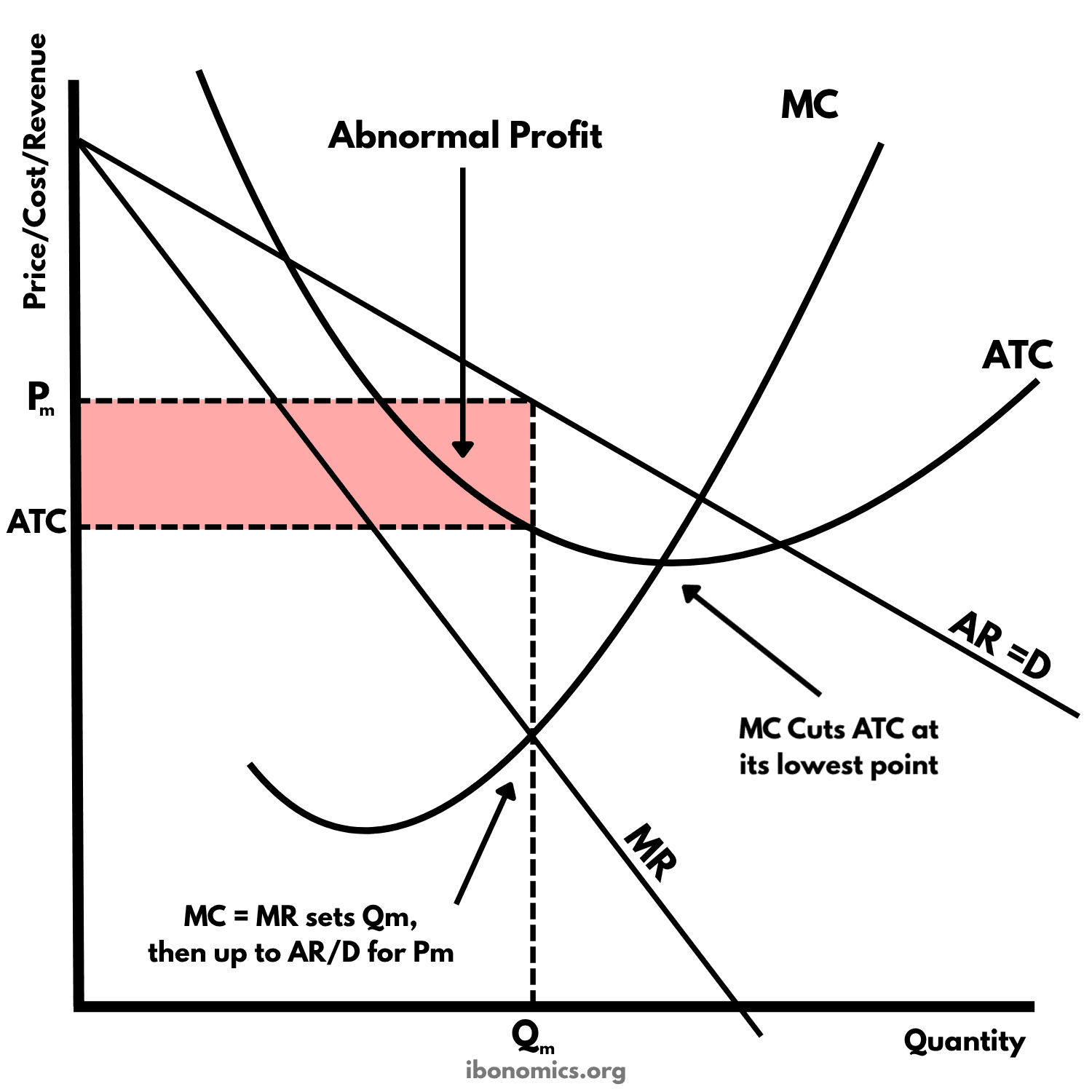
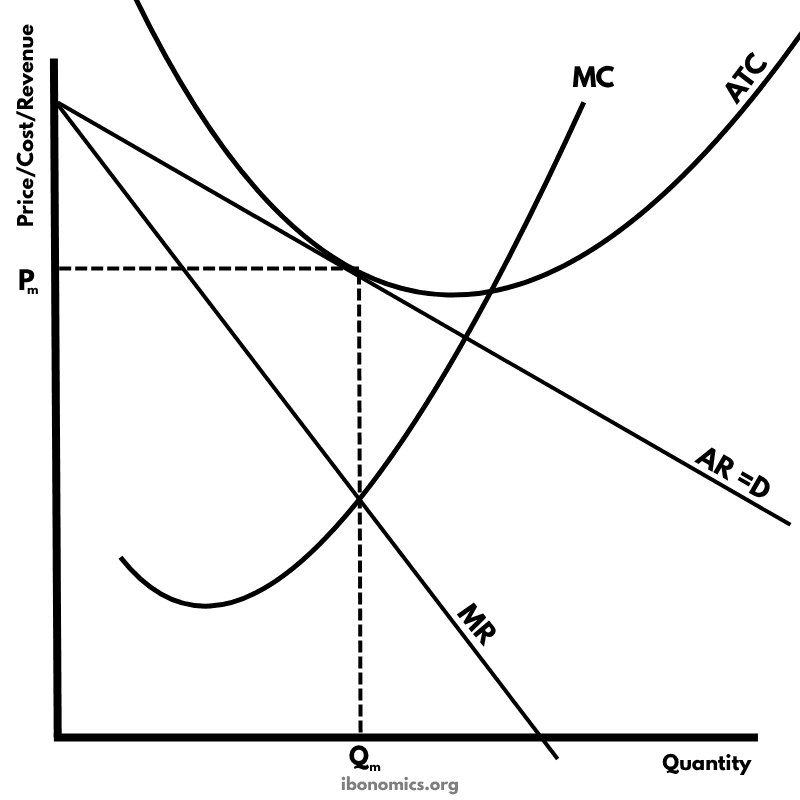
Use the short-run monopolistic competition diagram to show how a firm may earn abnormal profit if its price exceeds average total cost. Then use the long-run diagram to explain how entry can shift an existing firm’s demand left until it earns only normal profit in long-run equilibrium. This links the technological change that encourages entry to the competition firms face afterwards.
Syllabus topics
Diagrams to use

Test yourself
Questions this example can answer
- Using a real-world example, explain how technological change can increase market supply.
- Using real-world examples, discuss how product differentiation affects firms in monopolistic competition.
- Using diagrams, explain how entry affects profits in a monopolistically competitive market.
Evaluation
Arguments in favour
Lower development costs can encourage new suppliers
AI coding tools help developers complete some programming tasks with less time and effort. This can lower the cost of entry, allowing more firms to offer competing software services and increasing market supply.
Differentiation gives firms reasons to compete beyond price
FootballHQ offers free browser-based drill creation, while other providers may emphasise animation, planning or club features. Since coaches value different capabilities, firms can attract users through design, quality and reputation rather than offering identical products.
Arguments against
More applications do not automatically create more demand
The research found that the increase in software releases did not produce a similar rise in overall app usage. New entrants therefore compete for users who may already have suitable alternatives, putting pressure on each firm’s potential revenue.
Entry remains costly after the software is built
A working application still needs maintenance, support, hosting and promotion. Established brands and saved user content can make it harder for newcomers to attract customers, even when coding becomes cheaper.
Context and assumptions
Initial development costs and marginal costs differ
Building an application involves substantial upfront expenditure, while serving one more user may cost relatively little. Lower development costs can increase supply mainly by encouraging entry, rather than by reducing the marginal cost of every extra subscription.
The market has no single identical product
A basic drill editor and a full coaching-planning platform provide different services. A rightward market-supply shift helps explain the pressure from greater entry, while monopolistic competition better captures the continued importance of product differences.
Key terms
- Supply
- The willingness and ability of producers to offer a good or service for sale at different prices over a given period of time.Taught in Unit 2.2: Supply
- Change in Supply
- A shift of the entire supply curve caused by a change in a non-price determinant of supply.Taught in Unit 2.2: Non-price Determinants of Supply
- Monopolistic Competition
- A market structure with many firms selling differentiated products, relatively low barriers to entry and some degree of price-setting power.Taught in Unit 2.11: Monopolistic Competition
- Barriers to Entry
- Obstacles that make it difficult or costly for new firms to enter a market.
- Product Differentiation
- The process by which a firm makes its product distinct from competing products through features, quality, branding or other characteristics.
- Non-price Competition
- Competition between firms based on factors other than price, such as quality, design, advertising and customer service.
- Abnormal Profit
- Profit earned in excess of normal profit, when total revenue is greater than total economic costs, including opportunity costs.
- Normal Profit
- The minimum profit required to keep a firm operating in its current market, when total revenue equals total economic costs, including opportunity costs.
Sources
Related case studies
More microeconomics examples you can use in the same answer

Generative AI has expanded the supply of background music, changing market pressures and opportunities for composers and producers.

Google's AI token usage rose sharply while capacity and efficiency expanded, illustrating demand shifts and short-run inelastic supply.

South Africa taxes vaping liquid to discourage consumption and raise revenue, illustrating how indirect taxes can address market failure.